
MUSEUM OF COASTAL FOLK
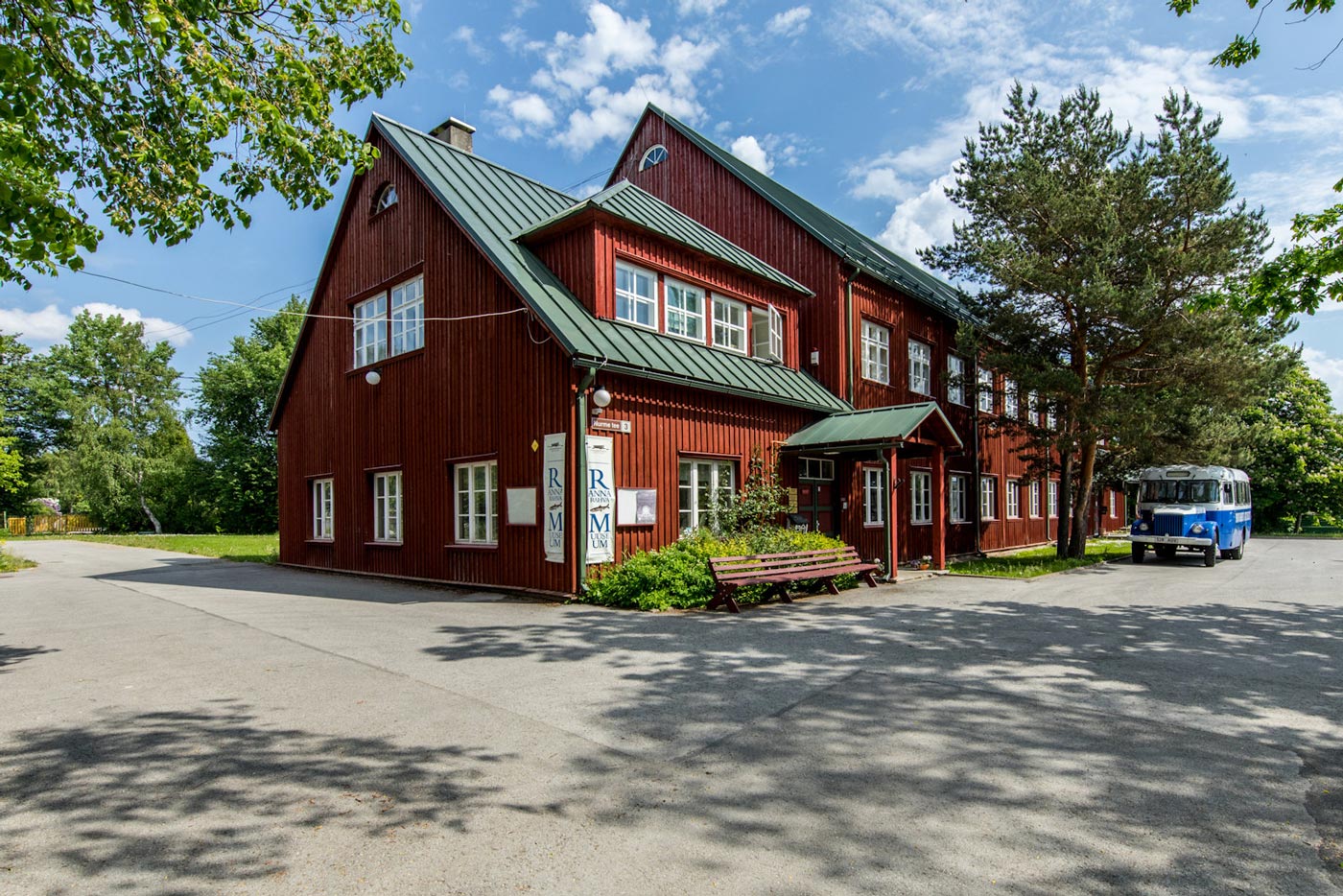
At the edge of the Viimsi peninsula, where land meets the sea and you feel no urge to turn back, stands the Estonian Coastal Folk Museum in the historic Pringi fishing village near Tallinn. The museum is located in a former schoolhouse and invites visitors to discover the life, history and maritime culture of Estonia’s coastal communities. It is a place where stories of fishermen, seafaring traditions and coastal village life come together in an authentic and meaningful way.
The Estonian Coastal Folk Museum presents the heritage of Northern Estonia’s coastline and the everyday life of the Viimsi peninsula’s fishing villages. Here, traditional coastal lifestyle, historical architecture and fishing culture form a unique cultural experience that reflects centuries of life by the sea.
Inside the museum, you can explore how coastal people lived, worked and travelled at sea. The collection includes over 13,000 items, including around 7,000 photographs and archival documents, offering a deep insight into Estonia’s maritime heritage.
The museum’s mission is to collect, preserve and research coastal cultural heritage while making it accessible to both locals and international visitors. Through exhibitions, events and educational programmes, the stories of Estonia’s coastal people are brought closer to today’s audience. The Museum of Coastal Folk is a recognised partner in international maritime heritage networks and is known across Estonia as a distinctive coastal museum near Tallinn that introduces the authentic seaside way of life.
Opening hours
Tue–Fri 10:00–17:00
Every third Saturday of the month 12:00–17:00
FREE ADMISSION
Address
Nurme tee 3, Pringi, Viimsi
The Museum Card is valid at the Coastal Folk Museum and the Viimsi Open Air Museum.
https://muuseumikaart.ee/muuseumid/rannarahva-muuseum/
https://muuseumikaart.ee/muuseumid/viimsi-vabaohumuuseum/
The Museum Card is a shared ticket for 120+ museums, giving you unlimited access for one year to more than 120 museums and 500 exhibitions!
You can buy the card HERE.
How to get to the Coastal Folk Museum?
What to do at the Coastal Folk Museum?
Educational programmes, workshops and cultural events focus on the diverse history and traditions of Estonia’s coastal communities. The museum also highlights contemporary coastal culture while preserving the knowledge of historical fishing village life.
Younger visitors are welcomed by a maritime-themed play area and the museum’s friendly seal mascot Vigri, who introduces children to the world of the sea in a playful way. The museum shop offers a curated selection of maritime-themed gifts, handicrafts and books inspired by coastal life.
The Museum of Coastal Folk offers a distinctive event venue in Viimsi, just a short drive from Tallinn. Our historic and welcoming setting is ideal for seminars, corporate events, birthdays, private gatherings and even seaside weddings.
If you are searching for an event venue near Tallinn with character, history and a connection to the sea, we help you find the right solution for your group. Here, the sea, heritage and coastal stories create an atmosphere that makes every event memorable.
Museum history
It is the predecessor of the Museum of Coastal Folk
The museum’s storage rooms, restoration workshop and photo lab are also located there.
The Kirov Museum is transferred to the private company Esmar. In the same year, the exhibits are taken down and the museum ceases operations.
The items are moved to Viimsi Manor, and the museum continues under the name Viimsi Municipal Museum.
Together with the open-air section, it forms the Viimsi Local History Museum.
In the same year, the General Laidoner Museum is established as a branch. Since 1 March 2001, it operates under the Estonian Ministry of Defence as the Estonian War Museum.
However, the conditions are not suitable for proper storage or exhibitions.
The Viimsi Local History Museum also begins operating in the same building.
Restoration work is carried out to make it possible to display exhibitions there.
The new name better reflects the museum’s focus on coastal heritage and maritime culture.
Our collections
The Museum of Coastal Folk collects items related to coastal life and activities – from fishing hooks to boats – everything that reflects life in a coastal farm. The collection includes approximately 13,000 objects. You can explore the collections online at www.muis.ee
If you would like to find out whether a specific item is part of the collection or wish to use materials such as objects, photographs or documents, please contact us here: teadus@rrm.ee.